
Hiroshima launches expert panel as oyster die-offs raise concerns
By Chris Loew • Published: February 8, 2026
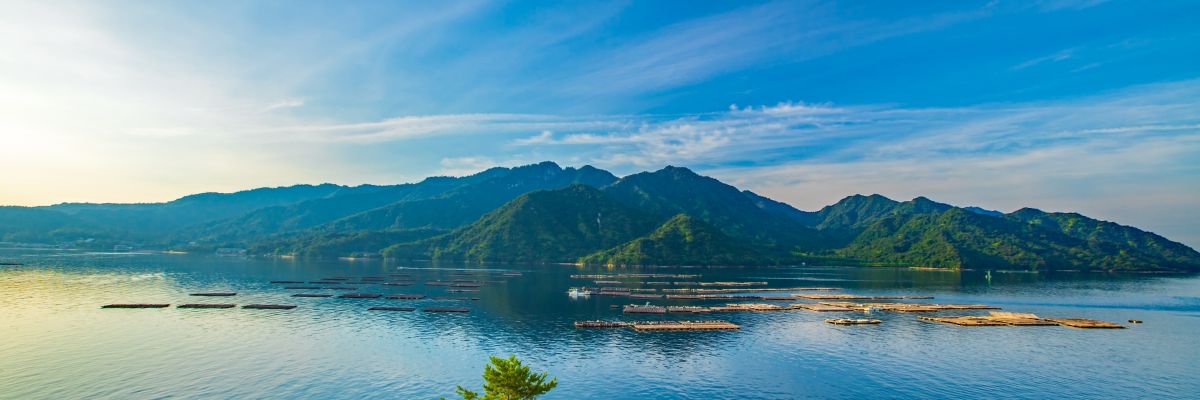
On February 3, the Hiroshima prefectural government formally announced the creation of a special advisory council composed of marine scientists and aquaculture specialists to analyze the large-scale oyster mortality that sharply reduced production during the 2025–26 season in Japan’s Seto Inland Sea and to propose countermeasures to stabilize production going forward. Hiroshima is Japan’s largest oyster-producing prefecture, typically accounting for more than half of national farmed oyster output, and the scale of the losses has raised concerns not only for the current season but also for the availability of oysters in future years.
In its announcement , the prefecture described the situation as “extremely severe,” noting that oyster losses were widespread and that “urgent verification of causes and consideration of future countermeasures are required.” The goal of the expert panel is not only to clarify the causes of the recent die-offs, but also to “establish measures that will contribute to stable oyster production in the future.” Interim findings are expected later this year, with recommendations likely to influence both farming practices and policy support ahead of the 2026–27 growing cycle.
The panel had already held an initial meeting in late January, ahead of the formal announcement of its membership and mandate, and is expected to continue discussions through the spring and summer.
While the prefecture’s announcement focuses on next steps, the most detailed snapshot of the damage so far comes from Japan’s Fisheries Agency, which compiled information from prefectural governments and fishery cooperatives across major producing regions. In a summary published on January 9, the agency documented oyster mortality in 10 production areas, most of them in and around the Seto Inland Sea.
The data show particularly severe losses in Hiroshima Prefecture: central coastal areas recorded mortality of 70–90 percent, eastern areas saw losses of 50–90 percent, and western areas ranged widely, from relatively limited damage in some locations to nearly 90 percent in others. Similar patterns were reported in neighboring prefectures. Okayama experienced mortality of 70–80 percent among two-year-old oysters, while Hyogo reported losses of 70–90 percent in some farming grounds. In parts of Ehime Prefecture, especially around Imabari, producers reported near-total mortality.
Across regions, the most consistently cited factor was prolonged high seawater temperatures, with many areas also reporting high salinity linked to low rainfall, low oxygen conditions (hypoxia – typically defined as dissolved oxygen below 2–3 mg/L), or reduced food availability, reflected in low chlorophyll levels. The Fisheries Agency emphasized that the figures represent ranges based on local interviews rather than uniform outcomes, but the overall pattern suggests systemic environmental stress rather than isolated incidents.
What distinguishes the current phase of the response is a growing recognition that the problem may extend beyond a single harvest season. According to prefectural officials and industry groups, some of the oysters lost during the 2025–26 season were stock intended for future harvests, raising concerns about supply gaps when the next season typically begins in October. Re-seeding timelines and recovery prospects remain uncertain, particularly if elevated summer water temperatures persist.
The Hiroshima Prefectural Federation of Fisheries Cooperative Associations (JF Hiroshima) and the Hiroshima Oyster Production Measures Council have begun mobilizing additional resources, including funding for environmental monitoring equipment to track water temperature, dissolved oxygen (hypoxia), and salinity at farming sites. The groups have framed these efforts as necessary not only to manage the current losses, but to reassess farming practices in the Seto Inland Sea, long considered one of Japan’s most favorable oyster-growing regions, amid increasingly unstable marine conditions.
Not all of Japan’s major oyster-producing regions have experienced the same level of damage. In contrast to the widespread mortality reported in the Seto Inland Sea, Iwate Prefecture, along the Sanriku coast in northeast Honshu, has so far reported no comparable large-scale die-offs. Nearby Miyagi Prefecture, Japan’s second-largest oyster producer, has also avoided the widespread losses seen in western Japan, though officials have reported some localized summer mortality in parts of the prefecture. As these prefectures are more northerly, and their coasts are not in an enclosed sea, they have not faced the same problem of prolonged warm water.
According to Fisheries Agency data for 2023, Iwate accounted for about 3.9 percent of Japan’s total oyster production, compared with Hiroshima’s roughly 59.8 percent and Miyagi’s roughly 13.7 percent. So, despite some regions coming out unscathed, the hit to total production will be massive.