
Fujidenolo to showcase K-Value Freshness Sensor at Seafood Show Osaka
By Chris Loew • Published: February 10, 2026
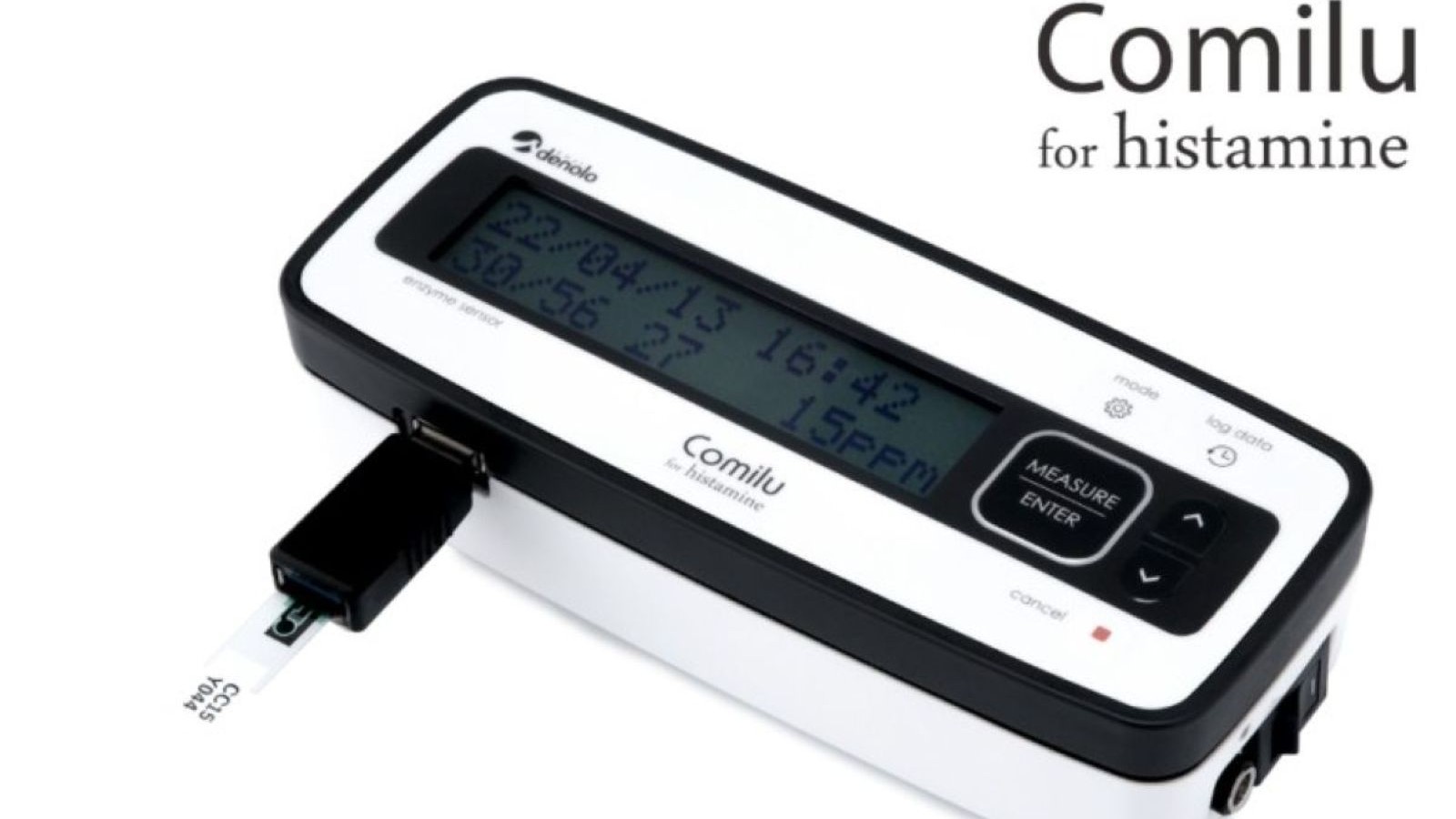
Japanese manufacturer Fujidenolo will exhibit a freshness-sensing device currently under development at the 23rd Seafood Show Osaka later this month, highlighting the company’s effort to expand real-time quality measurement tools for seafood distribution and export markets.
The device, branded "Comilu for K-Value," is designed to quantify fish freshness using the K-value index—a long-established scientific measure based on the degradation of adenosine triphosphate (ATP) in fish muscle after harvest. Fujidenolo plans to display the sensor at the booth of the Japan Fisheries Research and Education Agency (FRA) during the February 25–26 exhibition at ATC Hall in Osaka, according to a company notice. The company has also indicated it will host a seminar on K-value-based freshness measurement during the show, with details to be announced closer to the event.
Komaki City, Aichi Prefecture-based Fujidenolo is best known in the seafood sector for its earlier work on rapid histamine detection. The company introduced its microchip-based Comilu histamine sensor in 2021, offering a reagent-free method to measure histamine—the compound responsible for scombroid poisoning—in under 10 minutes. The handheld system was designed for use outside laboratory settings, including seafood processing plants and institutional foodservice operations.
That histamine technology later became the technical foundation for Fujidenolo’s work on freshness measurement. In 2023, the company previewed an early version of a K-value sensor at the Japan International Seafood and Technology Expo in Tokyo, positioning the device as a potential tool for exporters seeking to verify freshness before shipment.
K-value has been used in Japan for decades as an objective indicator of seafood freshness, particularly in markets where raw consumption is common. Lower K-values correspond to fresher fish, while higher values indicate progressive biochemical degradation. Despite its widespread acceptance in academic and regulatory contexts, K-value testing has historically required laboratory analysis, limiting its use in day-to-day commercial decision-making.
According to Fujidenolo, the new sensor builds on its histamine detection platform to enable faster, simpler freshness assessments in the field. By adapting enzymatic measurement techniques, the company aims to allow users to evaluate freshness without specialized laboratory equipment, potentially opening the door to broader adoption across processing, transport, and export logistics. The company frames the technology as part of a broader push toward “visualizing” seafood freshness, a concept that has gained traction in Japan as exporters face stricter quality expectations from overseas buyers.
Development of the K-value sensor is being supported through multiple Japanese government-backed research programs focused on export promotion and distribution technology. These include initiatives aimed at improving quality control and data transparency for fresh seafood exports, areas where Japan has sought to strengthen competitiveness despite being a net seafood importer. At the Osaka show, Fujidenolo will exhibit alongside public research institutions, underscoring the collaborative nature of the project.
Like the earlier prototypes displayed in 2023, the K-value sensor now being exhibited remains under development. Fujidenolo has previously indicated that commercial release of a fully market-ready device is still several years away.