
Restorative aquaculture in the Mediterranean moves from concept to practice
By Chris Loew • Published: November 1, 2025
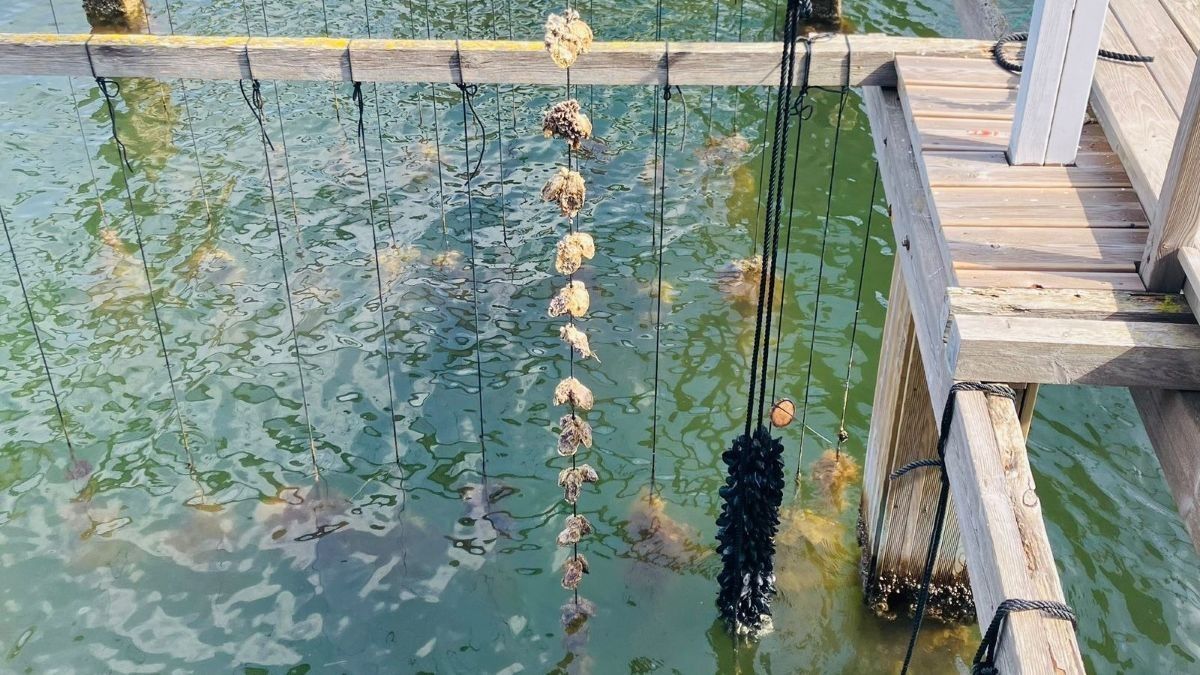
While conventional aquaculture has focused on tonnage and profits, a new publication from the Food and Agriculture Organization of the United Nations (FAO) and its General Fisheries Commission for the Mediterranean (GFCM) argues that aquaculture can also repair damaged marine habitats and support coastal livelihoods. The approach—called “restorative aquaculture”—prioritizes species low on the food chain that contribute to the ecosystem. It aligns with the GFCM’s 2030 Strategy and the FAO’s Blue Transformation vision.
The report, titled Sustainable aquaculture in the Mediterranean: restoring ecosystems for food security, profiles six promising species:
- Noble pen shell (Pinna nobilis) — a large bivalve whose strong filtering can improve water clarity. Its droppings provide nutrients for seaweed.
- Stony sea urchin (Paracentrotus lividus) — an herbivorous grazer; careful culture can help manage algal overgrowth while supplying roe markets.
- Mediterranean tubular sea cucumber (Holothuria tubulosa) — eats detritus to recycle organic matter and oxygenates sediments by burrowing.
- European flat oyster (Ostrea edulis) — long championed for reef restoration; high filtration rates, biodiversity benefits, and premium seafood value.
- Mediterranean mussel (Mytilus galloprovincialis) — a robust filter feeder suitable for ropes and rafts that can strip the water of particulates and excess nutrients.
- Greek bathing sponge (Spongia officinalis) — a natural filter that can enhance water quality and support artisanal value chains.
Beyond supplying food, these species can help prevent eutrophication, absorb carbon and nutrients, and recycle waste, offering a nature-based pathway to tackle global warming, salinity shifts, and nutrient pressures in the Mediterranean and Black Sea. The initiative is not about maximizing profit, but rather about rehabilitating degraded areas in ways that also sustain local economies. Besides seafood, the report envisions uses including cosmetics, nutraceuticals and research.
Turning guidance into practice, the GFCM opened the Mediterranean Restorative Aquaculture Demonstration Centre in La Ràpita, Spain in July of 2025. The center advances research, training, and innovation regarding macroalgae, bivalves, flathead grey mullet (Mugil cephalus), and integrated multitrophic aquaculture (IMTA) systems that emulate natural food webs. Multi-trophic means occupying different levels of the food chain. Its first training course (October 7–9, 2025) convened 10 participants from seven countries. The center joins a network of seven Aquaculture Demonstration Centres across the Mediterranean and Black Sea, forming a hub to share best practices, build capacity, and connect stakeholders—from producers and researchers to policymakers and community groups.